 Account

1/4" NPT Female Bulkhead Coupler
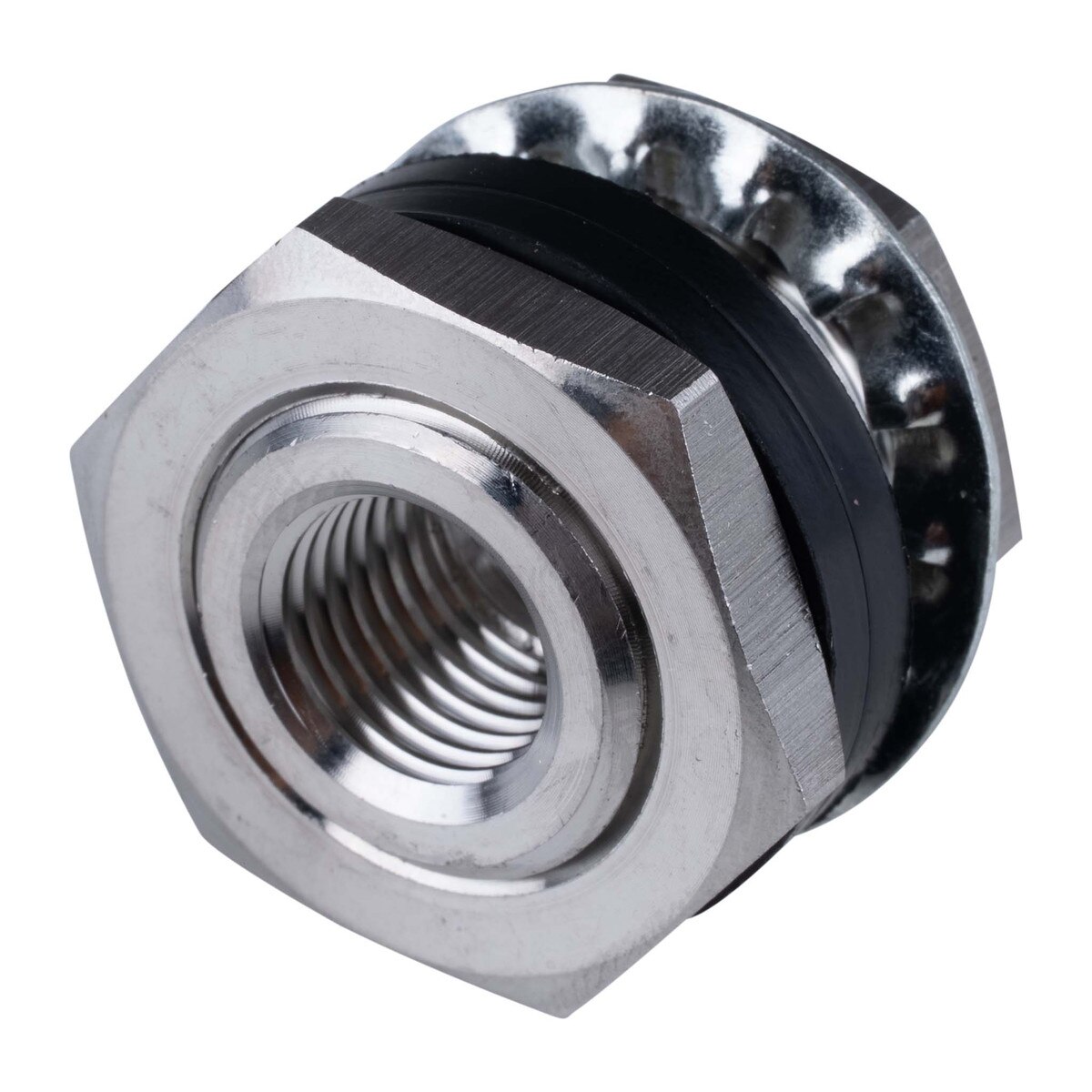
Premium Replacement Coupler for Tommy Car Wash Systems Pre-Blast Tommy Ball. Keep your wash tunnel running at peak efficiency with this premium Fitvell 1/4" NPT Female Bulkhead Fitting.
SKU: P-WAT-3232


Details
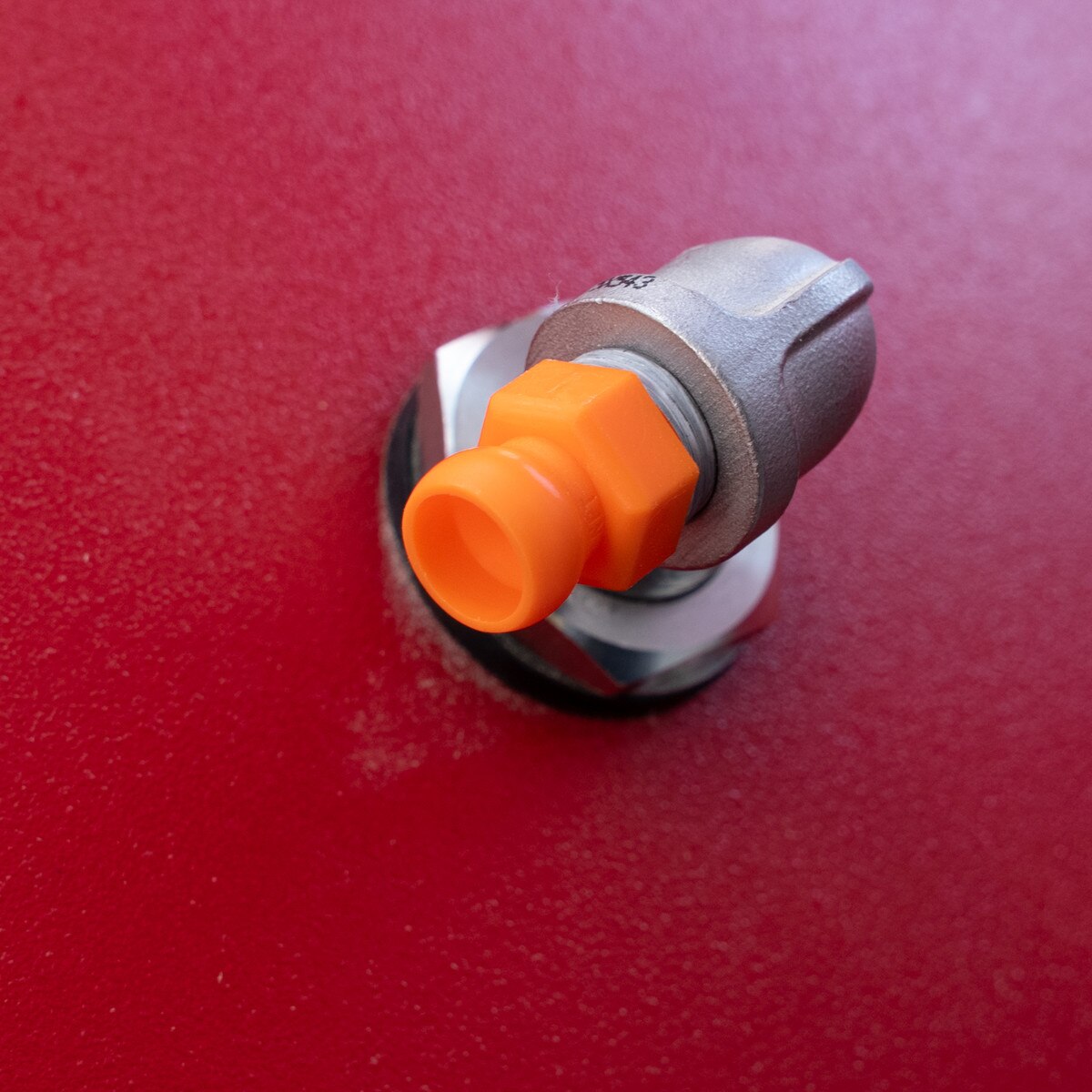
Sourced and engineered for high-durability applications, these thru-bulk tank connectors are the exact-fit replacement parts needed for the Pre-Blast Tommy Ball assembly at Tommy Car Wash Systems. When dealing with high-pressure water reclaimed solutions and constant chemical exposure, standard brass or plastic fittings just won't cut it. Upgrade to heavy-duty stainless steel to prevent leaks, cross-threading, and premature failure in your tunnel.
Key features and benefits include:
- Perfect Tommy Wash Compatibility: Designed specifically to service the Pre-Blast Tommy Ball manifold and tank connections.
- Marine-Grade Stainless Steel: Offers superior resistance to rust, corrosion, harsh car wash detergents, and high-pressure friction.
- Leak-Proof Thru-Bulk Design: Provides a secure, sealed connection through tanks, plates, or manifolds, ensuring consistent pressure to your pre-blast nozzles.
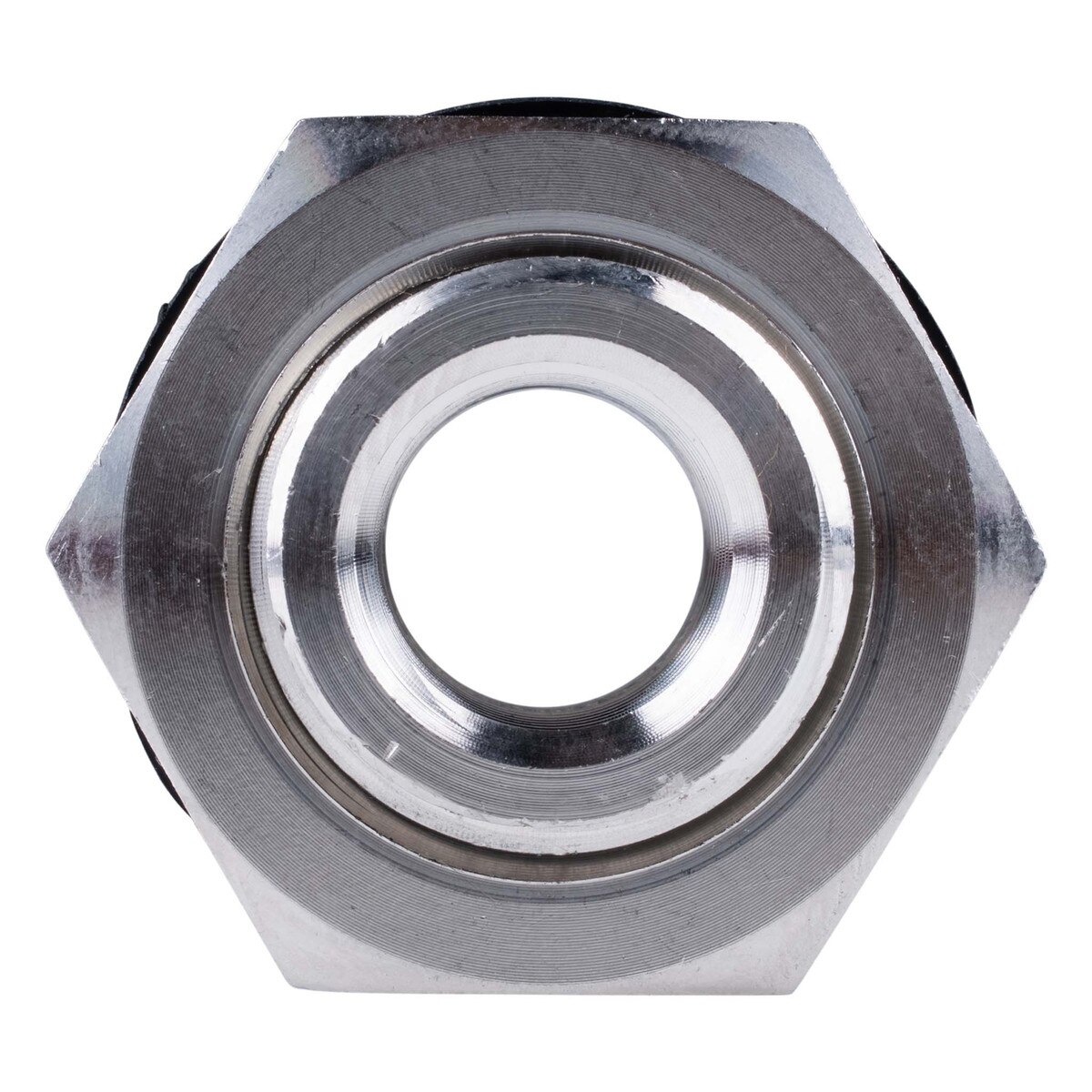
- Precision Threading: Features cleanly machined 1/4" NPT female threads on both ends for a tight, reliable seal with standard car wash plumbing.
Specifications
- Brand: Fitvell
- Thread Size: 1/4" NPT (Female to Female)
- Overall Length: 1-1/2 inches
- Material: High-Grade Stainless Steel
- Application: Tommy Car Wash Systems — Pre-Blast Tommy Ball
Features
- Chemical-Resistant Construction: Engineered to withstand continuous exposure to aggressive car wash chemistry, including harsh wheel cleaners, high-pH pre-soaks, low-pH detergents, and ceramic gloss coatings without pitting or degrading.
- Vibration and Surge Dampening: Car wash arches and the Pre-Blast Tommy Ball experience constant fluid pounding and mechanical vibration. The heavy-duty wall thickness of these Fitvell fittings prevents stress-cracking under rapid pressure spikes.
- All-Weather Temperature Tolerance: Built to handle extreme temperature fluctuations—from freezing winter car wash bays to high-temperature hot wax and heated water reclamation cycles.